The Clock
Completed 2026
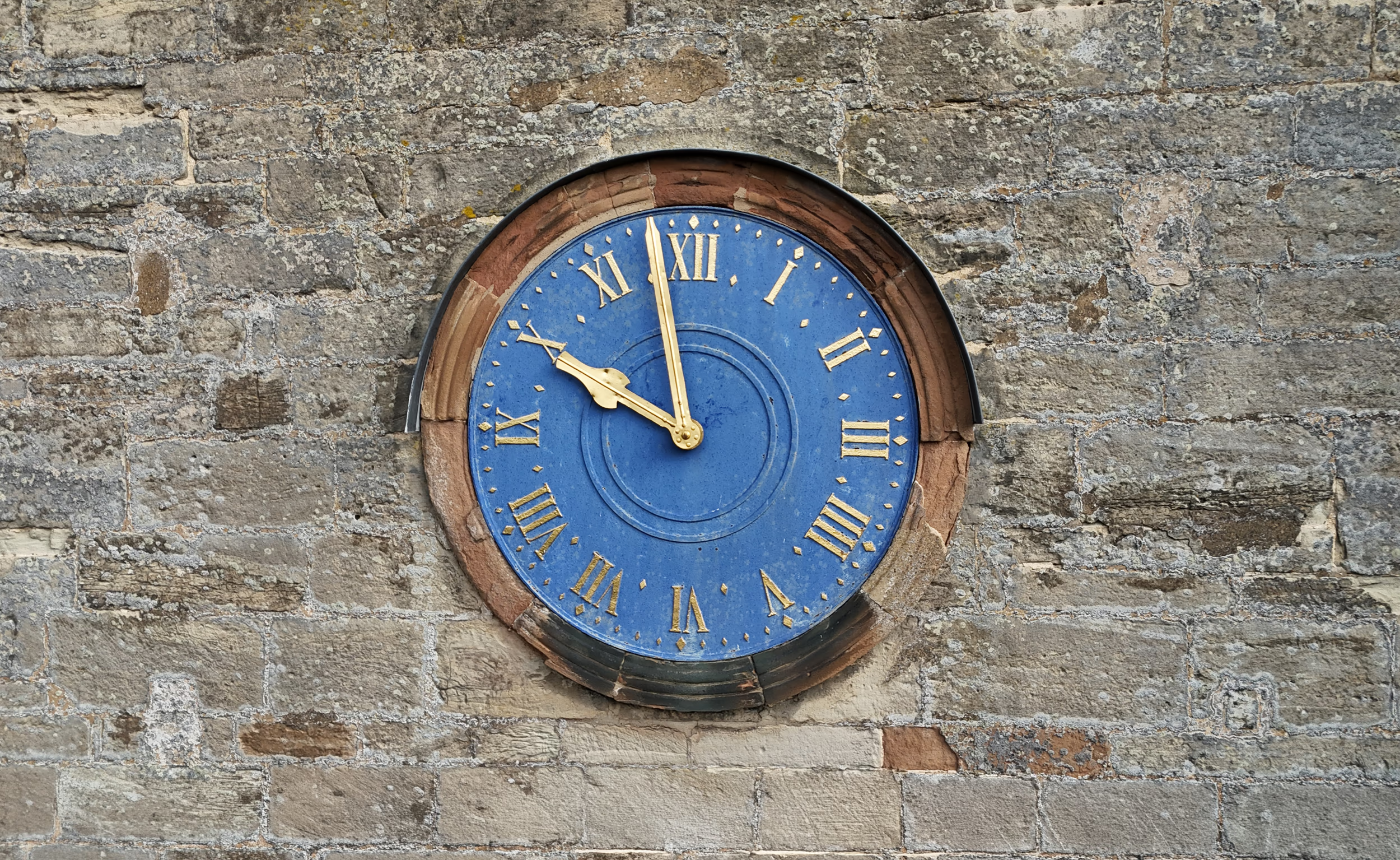
The church clock, which has been telling the time for centuries, has been recently renovated.
St Peter's historic church clock underwent a major conservation and restoration project in 2025–26. The mechanism was carefully dismantled, removed from the tower for specialist overhaul and subsequently returned to St Peter's, protecting this remarkable piece of the church's heritage for future generations.
Years of continuous operation had inevitably taken their toll. Specialist inspections identified wear across the mechanism, including worn bearings and moving surfaces, deterioration within the striking and quarter-chiming mechanisms, and corrosion and wear affecting the hammers and their associated linkages. The automatic winding equipment installed in 2007 was also ageing and becoming increasingly difficult to maintain. Left unaddressed, these problems risked causing further wear to the historic movement and ultimately threatened the clock's ability to remain in regular use.
The PCC therefore sought advice and quotations from specialist turret-clock conservators and clockmakers. The objective was not simply to make the clock work again, but to secure its long-term future while retaining the historic mechanical movement at the heart of the clock. The conservation approach was based on preserving historic material wherever practicable, repairing rather than unnecessarily replacing original components, and ensuring that modern additions remained sympathetic to the historic mechanism. This reflects the conservation principle expressed in the specialist proposals that historic turret clocks should be maintained in use wherever possible.
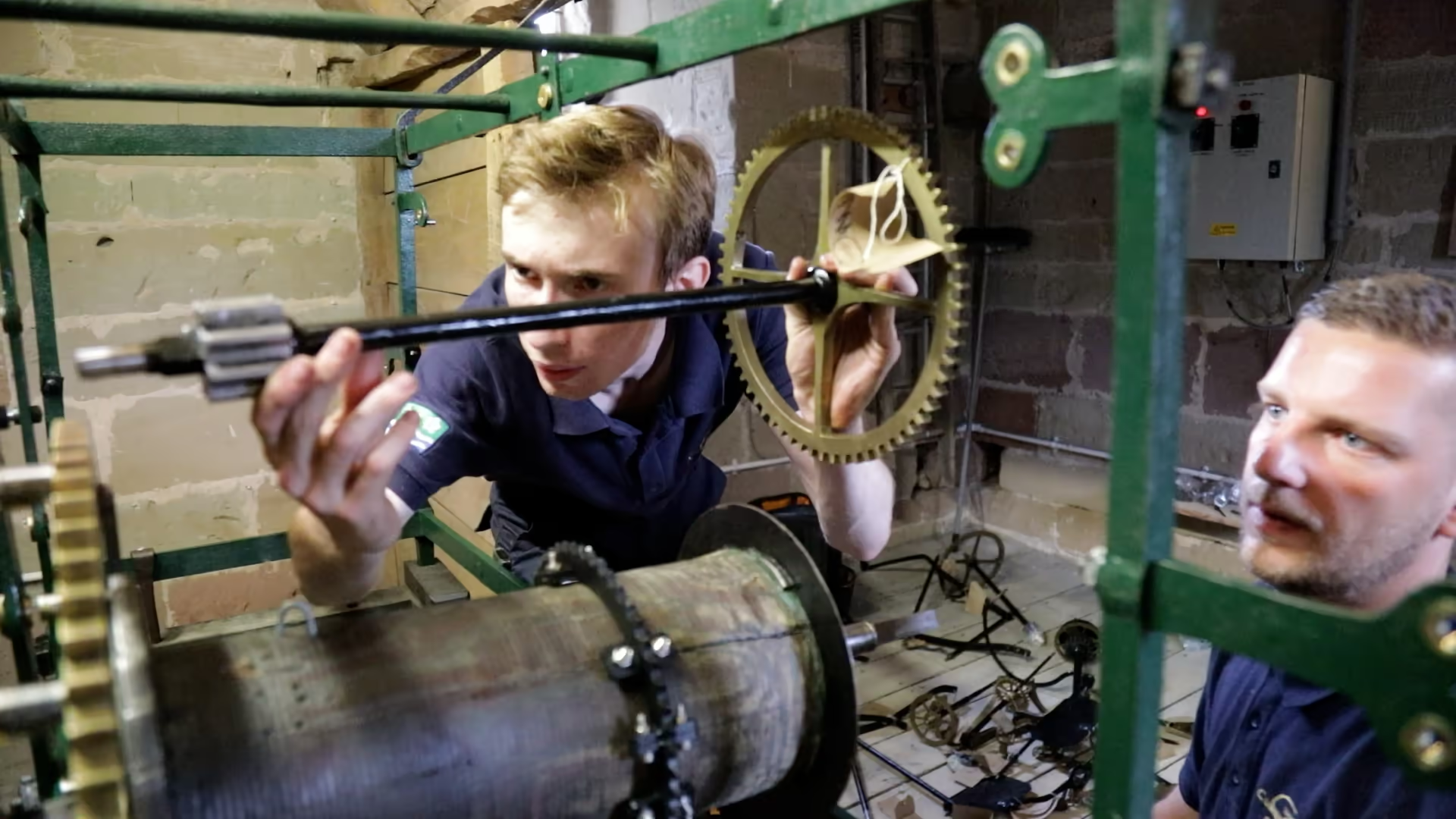
In 2026 the clock was carefully dismantled. This was much more than a routine service - the historic movement had to be disconnected and taken apart within the confined clock chamber high in the tower. Associated parts of the clock and striking mechanism were also dismantled, before the components were carefully carried down through the tower and transported to the specialist clockmakers' workshop in Cumbria.
There the movement was dismantled further into its individual components so that more than two centuries of accumulated wear could be properly assessed. Old oil and dirt were removed, the mechanism was thoroughly cleaned, and bearings, pivots, gears and other working surfaces were individually inspected. Worn bearings were relined where required, working surfaces were polished, and the mechanism was freshly lubricated before being carefully reassembled. The bell hammers and associated equipment were also dismantled and conserved, with corrosion removed and worn components repaired or replaced where necessary.
The aim throughout was conservation rather than replacement. The extraordinary wrought-iron mechanism that generations of Grandborough residents have heard marking the hours remained the heart of the clock. Modern winding and regulation equipment could support its reliable operation, but the historic machinery itself would continue to keep time, operate the hands and control the striking and quarter chimes.
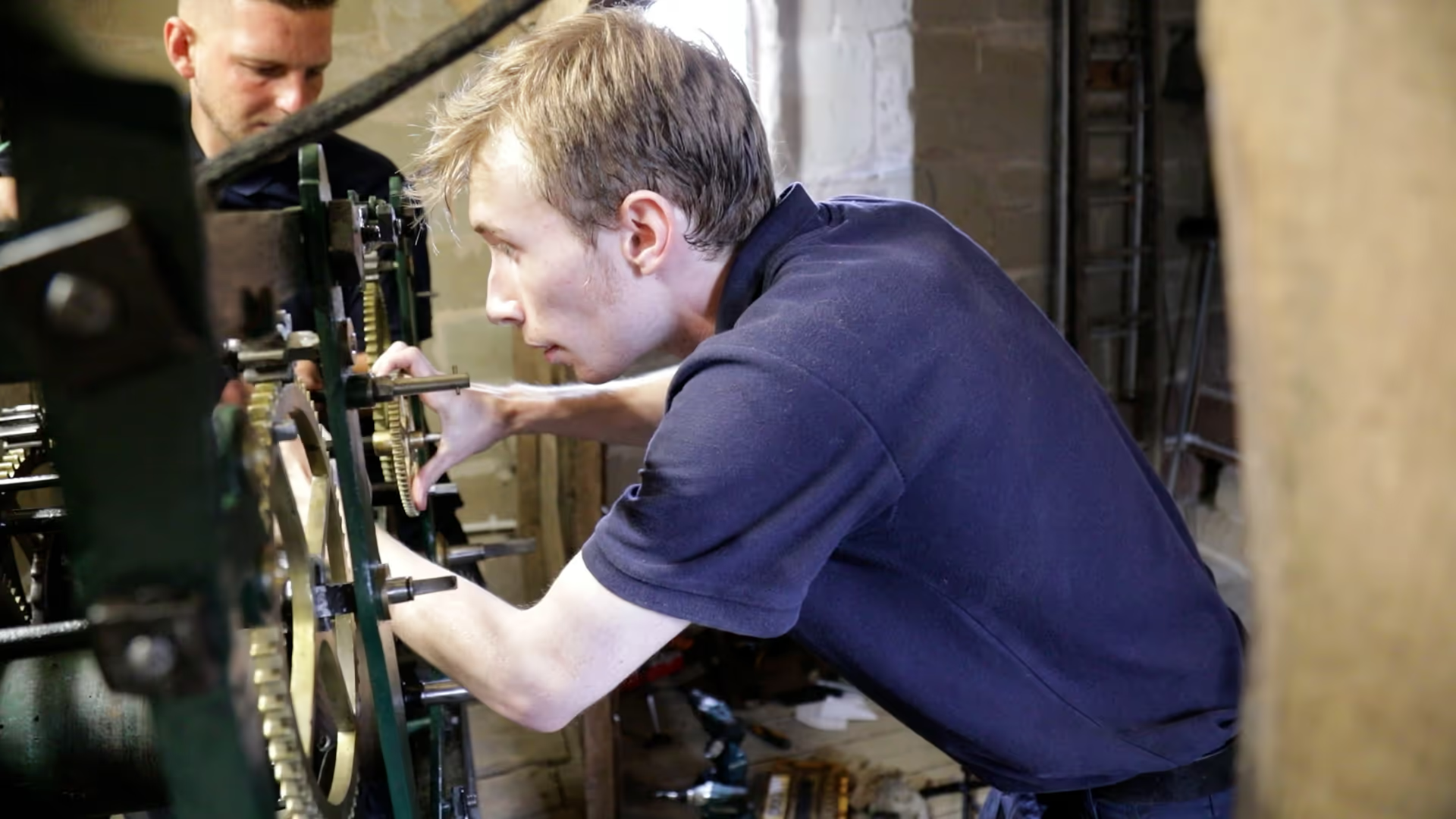

Watch the Restoration
Follow the clock's journey from its removal from St Peter's tower, through specialist conservation and overhaul, to its return and reinstallation in Grandborough.
VIDEO HERE
Once the workshop conservation was complete, the mechanism was tested before making the journey back to Grandborough. The component parts were carried back up the tower and the clock was reassembled and recommissioned in its historic clock chamber. The associated winding and regulation systems were then set up so that the restored movement could return to regular operation. Specialist proposals envisaged precisely this process of workshop testing followed by return, reassembly, installation and commissioning on site.
In July 2026, the clock returned to service at St Peter's. Its restoration has preserved something much more significant than a means of telling the time. The same historic mechanical clock that has marked the rhythm of life in Grandborough for more than two centuries remains in operation today — conserved rather than replaced, and ready to continue its familiar role in the life of the village.
Our Grateful Thanks
The restoration of the church clock was made possible by the generous support of a number of charitable trusts and public bodies, together with the extraordinary generosity of the local community.
St Peter's is deeply grateful to the following organisations for their grants in support of this project:
National Lottery Heritage Fund as primary funder
- Garfield Weston Foundation
- ChurchCare
- HDH Wills 1965 Charitable Trust
- Warwickshire County Council
- Benefact Trust
- Warwickshire Historic Churches Trust
- The Worshipful Company of Clockmakers
Alongside these generous grants, the project was only made possible by donations from parishioners, villagers and friends of St Peter's — many of whom have a personal connection to the clock and to the life of this community. Every contribution, large or small, has played its part in ensuring that this historic timepiece will continue to serve Grandborough for generations to come.
We thank everyone who gave so generously.