The Medieval Chancel and Pre-Reformation Worship
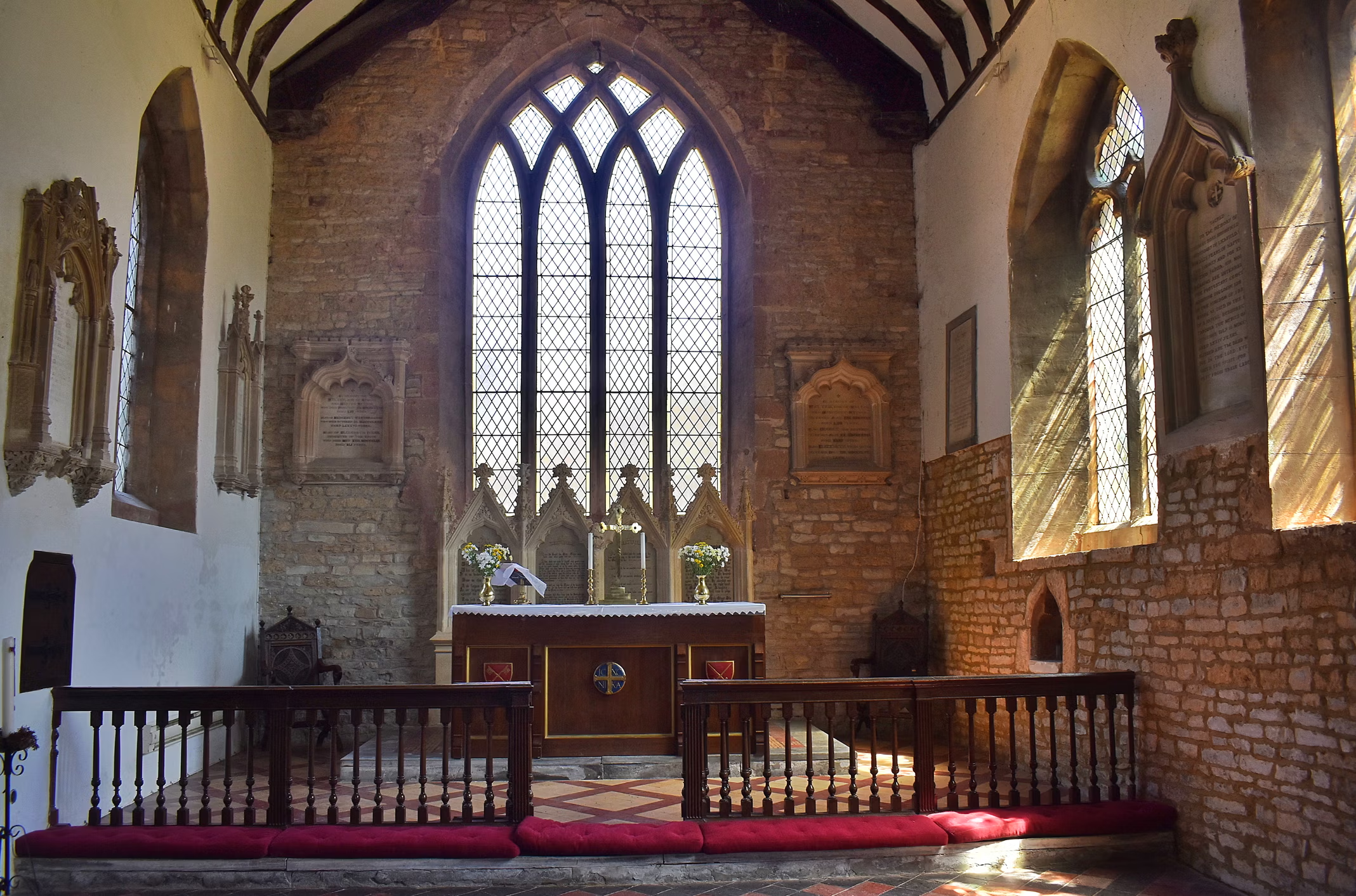
The Medieval Chancel
The chancel is the oldest and most historically significant part of St Peter's Church. For more than six centuries it has formed the spiritual heart of the building, where generations of clergy have led worship and where traces of medieval religious life still survive. The chancel also contains some of the finest surviving medieval fabric within the church and provides important evidence of the building's development over several centuries.
Much of the present church dates from the fourteenth century, although evidence suggests that an earlier church stood on the site.
Worship Before the Reformation
Several important features within the chancel provide rare evidence of how worship was conducted before the Reformation. On the south wall is a medieval piscina, a stone basin used for washing the priest's hands and sacred vessels during Mass. Nearby is an aumbry, a recessed cupboard in the wall used for storing books, vessels and other items required for worship. Rediscovered during nineteenth-century restoration work, these features offer a direct connection to the religious practices of medieval Grandborough.
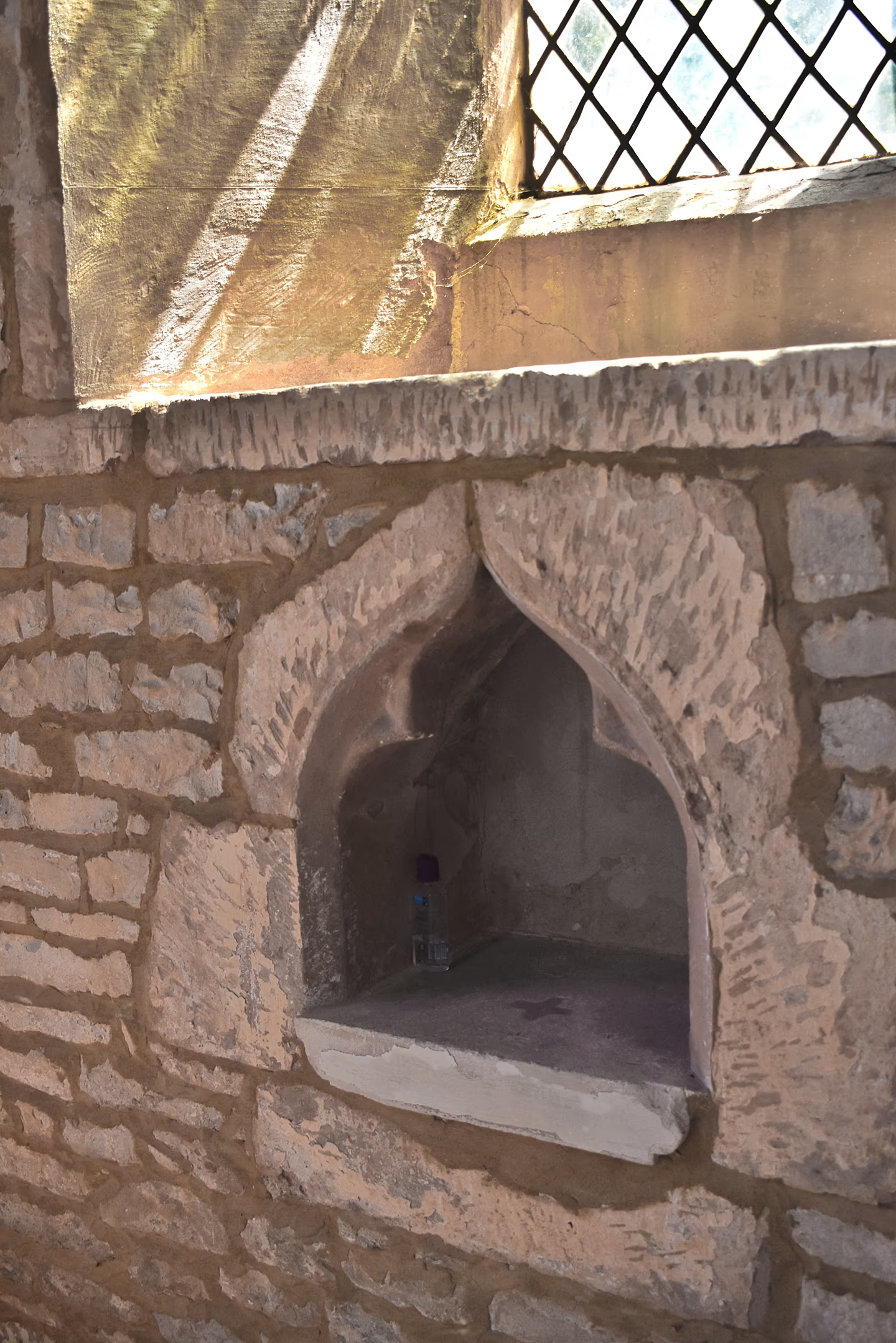
The medieval piscina, a stone basin used for washing the priest's hands and sacred vessels during Mass.
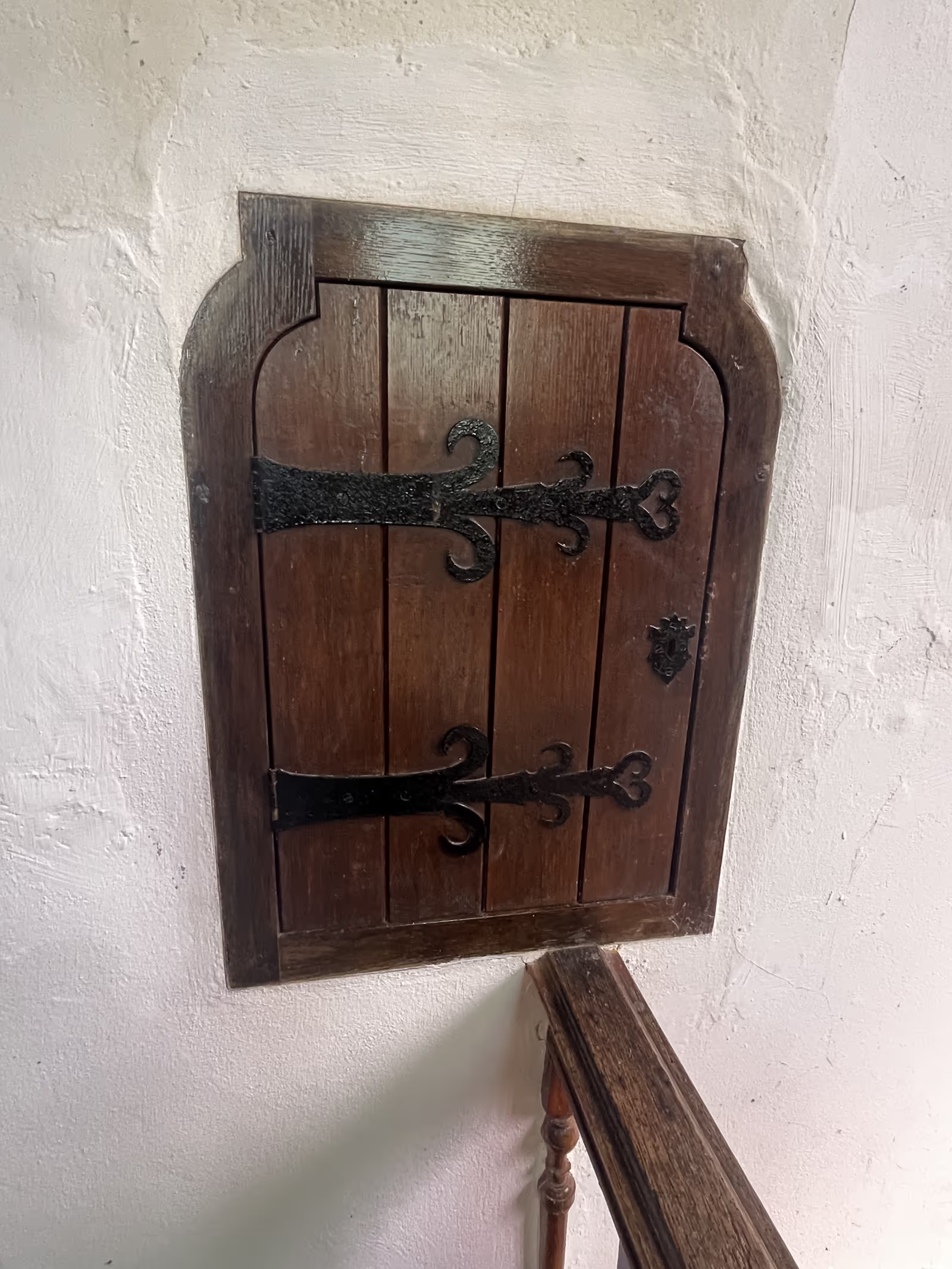
The medieval aumbry, a recessed cupboard used for storing books, vessels and other items required for worship.
Also surviving is a hagioscope, often known as a "squint". This small opening in the wall allowed worshippers or clergy in an adjoining chapel to see the high altar and observe the most important parts of the Mass. Hagioscopes are a distinctive feature of many medieval churches and provide further evidence of the complex arrangements for worship that existed before the Reformation. This squint, which is not oblique, is ornamental and was constructed in 1862.
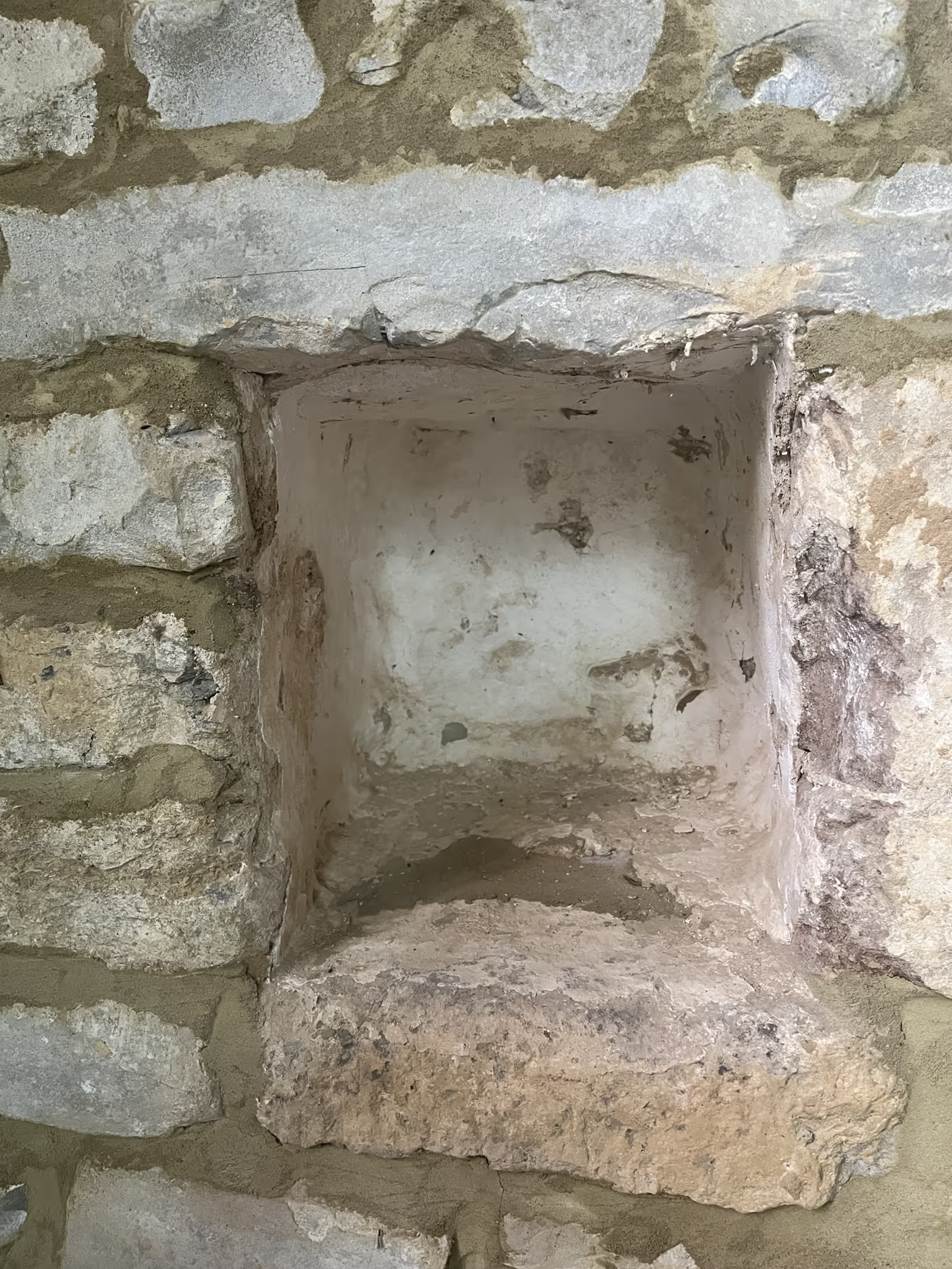
The hagioscope or ‘squint’, positioned to provide a view towards the high altar.
The Lost Lady Chapel
Although the chapel itself no longer survives, the church retains architectural evidence of a former Lady Chapel adjoining the chancel. Chapels of this kind were dedicated to the Virgin Mary and provided additional space for private prayer, masses and devotional services. The surviving architectural features, together with the hagioscope, suggest how the chapel was connected to the main body of the church and formed part of a richer pattern of medieval worship than visitors see today.
Rediscovery and Survival
Together, the piscina, aumbry, hagioscope and evidence of the former Lady Chapel help to explain how St Peter's functioned before the religious changes of the sixteenth century. They reveal a church that was once organised around altars, chapels and ceremonies that largely disappeared following the Reformation.
The Victorian restoration of the church revealed and preserved many of these medieval features. Today they provide a valuable record of the continuity of worship at St Peter's and help visitors understand how the church functioned before the Reformation transformed religious life in England.