The Organ
A Rare Victorian Instrument
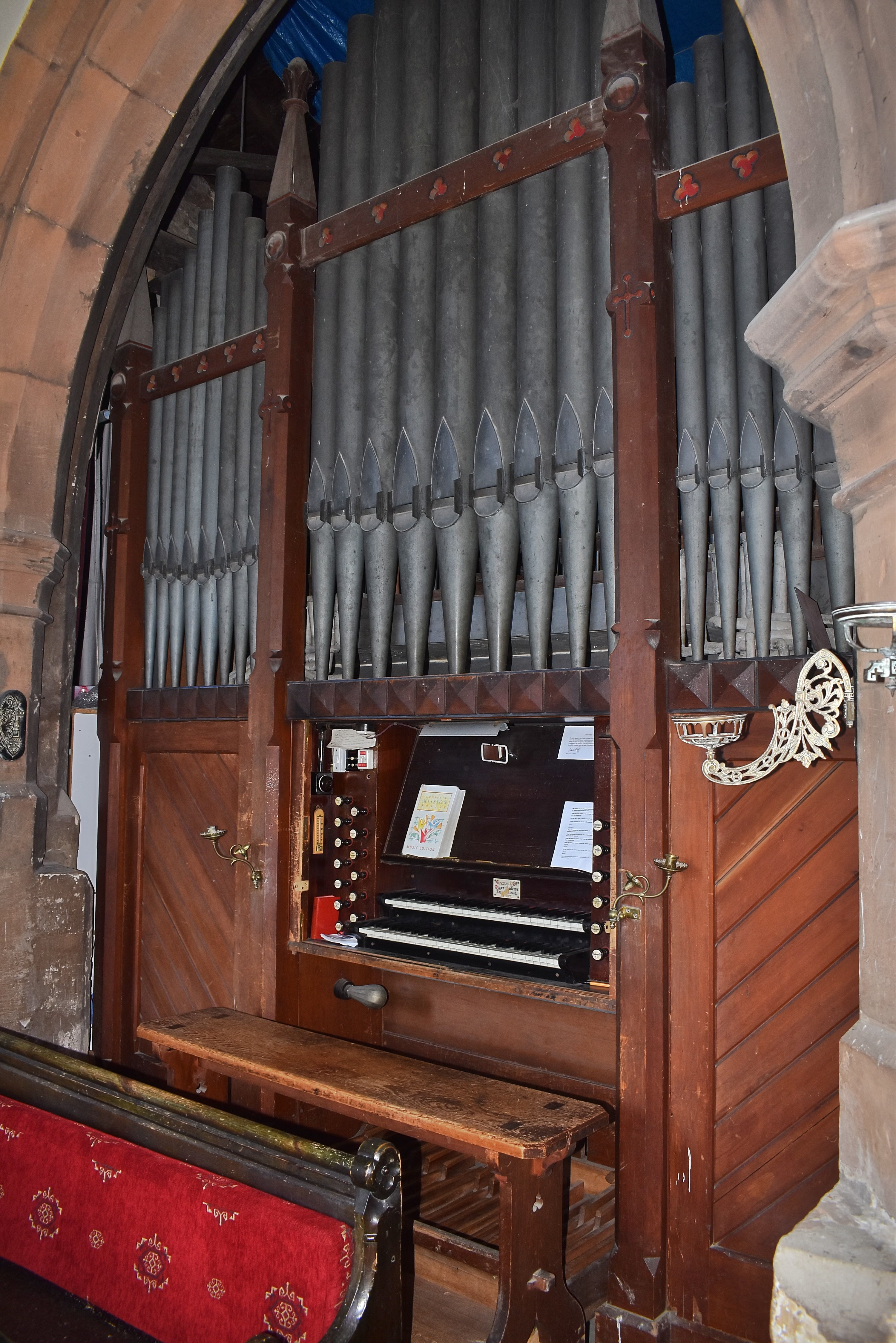
The organ of St Peter's Church is believed to date from 1872, when parish records refer to the installation of a new organ in the church. More than 150 years later, it remains one of the most significant and intriguing historic features within the building.
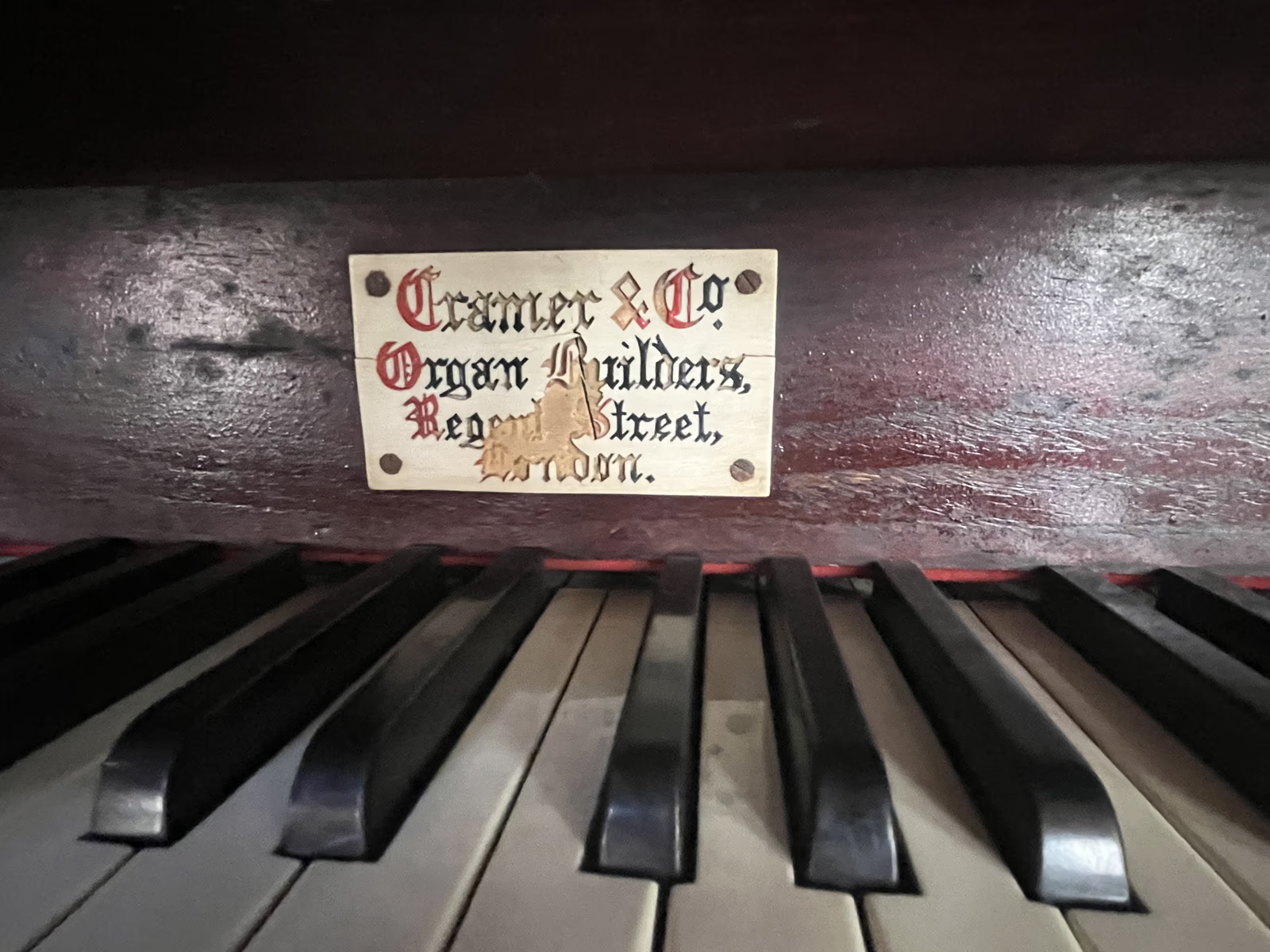
Although the instrument carries the label of J. Cramer & Co. of Regent Street, London, the company was primarily a musical instrument retailer rather than an organ builder. It is thought that Cramer acted as the selling agent and that the organ was built elsewhere by a specialist manufacturer whose identity remains unknown.
This uncertainty has become one of the organ's most fascinating aspects. Research undertaken in recent years suggests that the Grandborough organ may be one of only a handful of surviving instruments associated with Cramer and could be the most complete and original example still in existence. Despite extensive investigation, the identity of the builder has yet to be conclusively established.
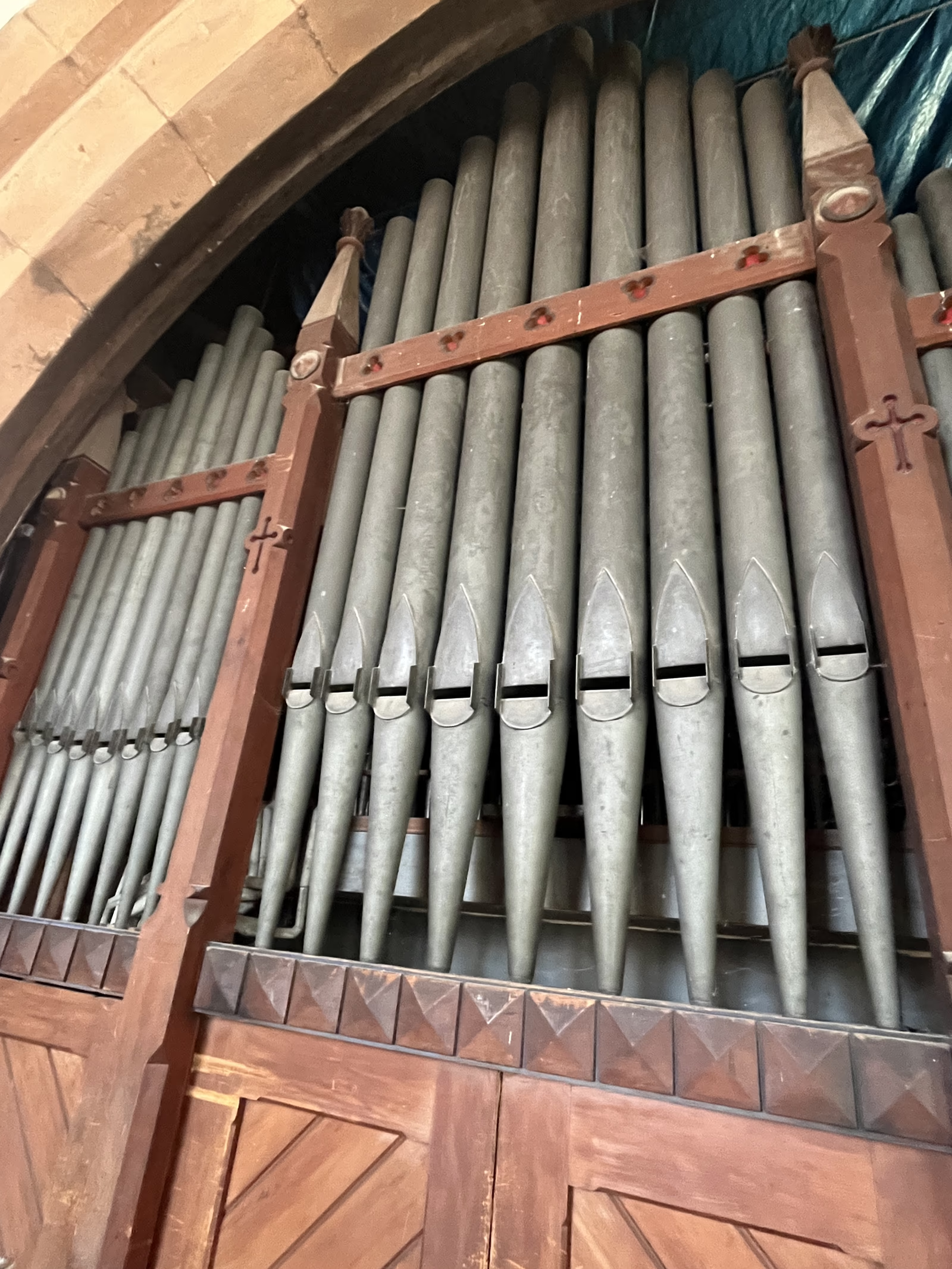
The organ of St Peter's Church is believed to date from 1872.
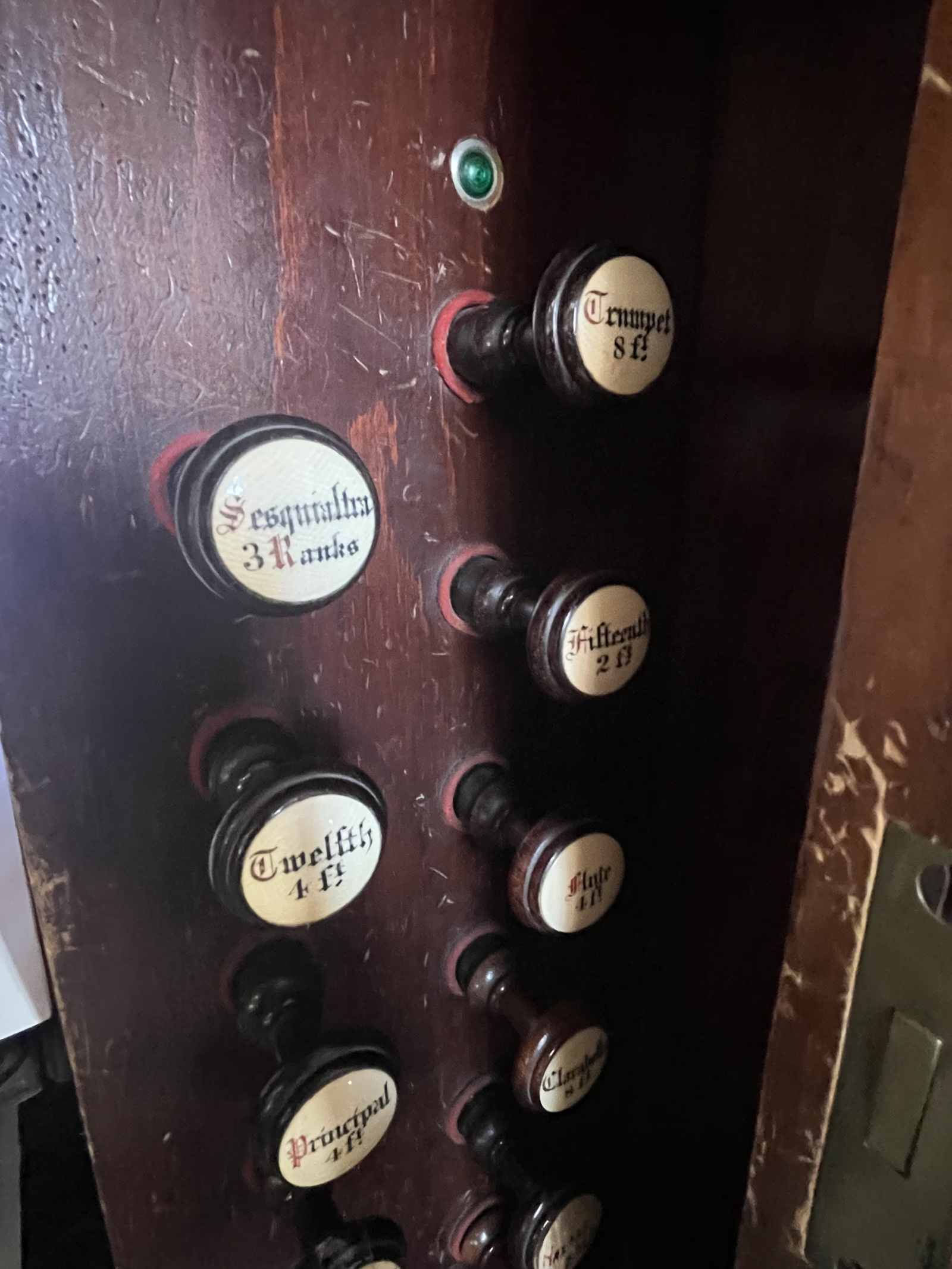
The organ stops control which sets of pipes receive air. Pulling a stop changes volume, pitch, and tone color, allowing the organ to mimic instruments like flutes or trumpets.
A Voice from the Golden Age of Organ Building
The organ belongs to what many historians regard as the finest period of English organ design. Although modest in size, it was exceptionally well designed and built using quality materials and a sophisticated tonal scheme.
Particularly notable is the brilliance of its upper pipework. The three-rank mixture stop on the Great Organ creates a fullness and richness of sound remarkable for an instrument in a small village church. Specialists who have examined the organ have described it as possessing a particularly resourceful and well-balanced tonal design.
The instrument remains largely original. Unlike many Victorian organs that were substantially rebuilt or modernised during the twentieth century, Grandborough's organ retains much of its original pipework, mechanism and character.
Clues from the Past
One intriguing piece of evidence survives inside the organ itself. Written in pencil on part of the framework is the inscription:
"Wilson Shaw, Huddersfield, 8 June 1887."
The inscription must have been written before part of the organ was assembled and may represent a workman involved in its construction or maintenance. While the connection remains uncertain, it provides another clue in the ongoing search to identify the organ's original builder.
Survival and Restoration
Like many historic church organs, the instrument has faced challenges over the years.
Water ingress from defects in the church roof caused significant damage during the mid-twentieth century and by the 1950s the organ had become unplayable. In 1958 it was restored by the renowned organ builders J. W. Walker & Sons, who repaired the instrument and installed electric blowing. Importantly, the work was carried out with great restraint, preserving the organ's original character rather than rebuilding it to contemporary fashions.
As a result, the organ that visitors hear today remains substantially the same instrument that was installed in the nineteenth century.
Unfortunately, water ingress has continued to threaten the organ in more recent years. The roof above the organ chamber has required repair to ensure that this rare historic instrument can be protected for future generations.
Music at St Peter's
The present organ is only the latest chapter in a much longer musical tradition. Records suggest that music in the medieval and early post-Reformation church may have been provided by one or even two earlier organs, though these would have been much smaller instruments than the one seen today.
For more than 150 years the present organ has accompanied worship, weddings, funerals and village celebrations. Its music has become part of the soundscape of St Peter's, alongside the bells in the tower and the church clock that has marked the passing of time for generations.
Today the organ remains both a working instrument and an important heritage asset. Its rarity, remarkable state of preservation and unanswered questions about its origins continue to make it one of the most fascinating features of St Peter's Church.