Tower & Spire
The Landmark of Grandborough
For more than six centuries, the tower and spire of St Peter's Church have dominated the landscape around Grandborough. Visible for miles across the surrounding countryside, they have served as a landmark for travellers, a symbol of the village, and the setting for the bells and clock that once regulated everyday life.
Rising to approximately 130 feet, the tower and octagonal spire can be seen from miles around and have long served as a landmark for travellers approaching the village.
The tower was constructed towards the end of the fourteenth century and is built of light-coloured sandstone ashlar, contrasting with the red sandstone and limestone rubble used elsewhere in the church. Its construction reflects the ambition and prosperity of the medieval parish and the importance of Grandborough within the surrounding agricultural landscape.
Together with the two Wellingtonia trees planted beside the church in the late nineteenth century, they form one of the most recognisable views in Grandborough.
The Heart of Parish Life
For centuries the tower was far more than an architectural feature.
It housed the church bells, the village clock and, through them, helped regulate the daily life of the parish. Before the widespread use of personal timepieces, the clock and bells marked the hours of the day, called people to worship, announced celebrations and warned of funerals and other significant events.
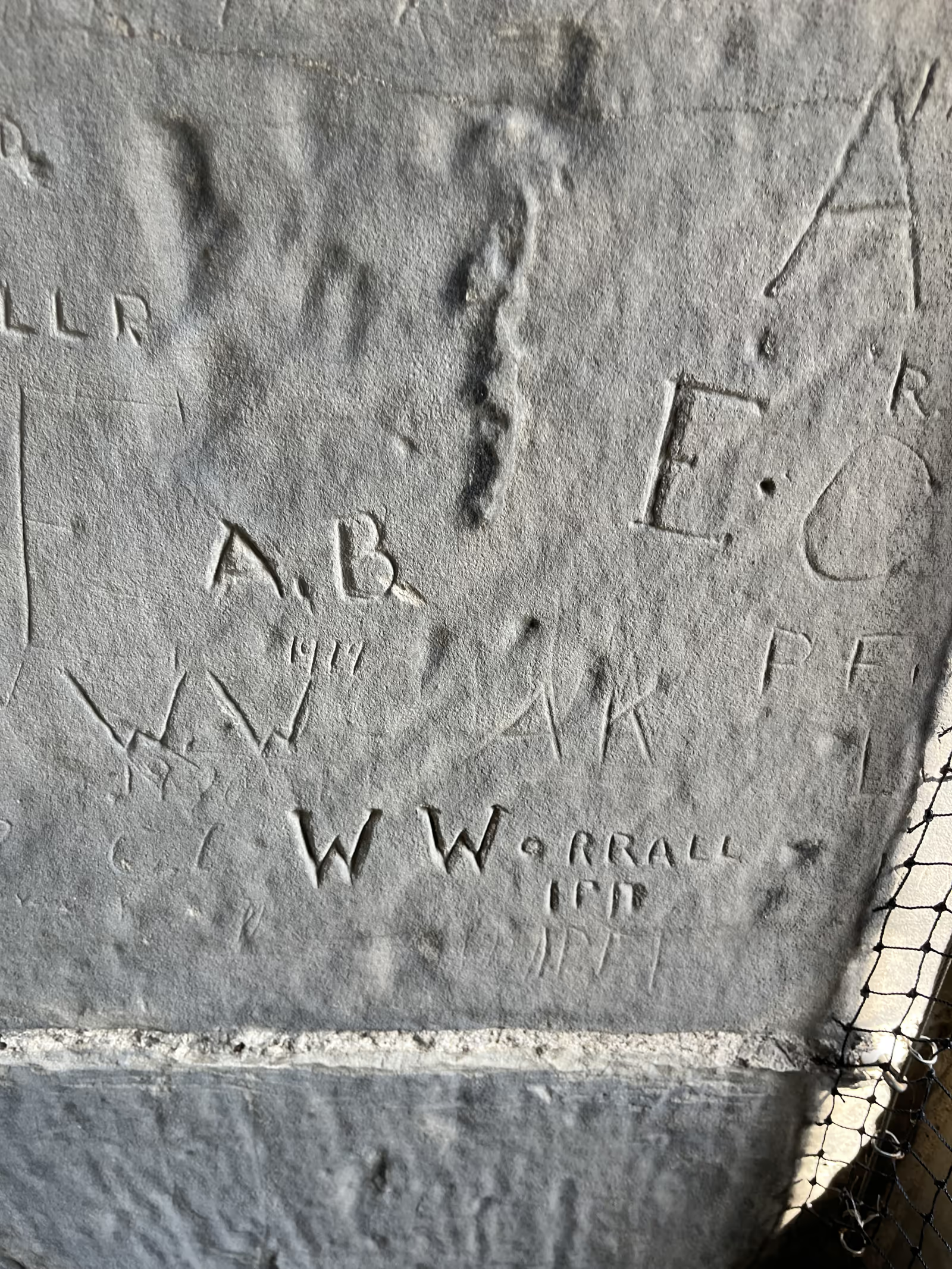
The soft Triassic sandstone of the tower has proved an irresistible surface for visitors over the centuries. There is extensive graffiti — initials, names and dates — particularly from the eighteenth and nineteenth centuries.
The tower remains a reminder of the central role the church once played in the rhythm of village life.
Evidence of Earlier Arrangements
Visitors standing beneath the tower today are seeing a space that has changed over time.
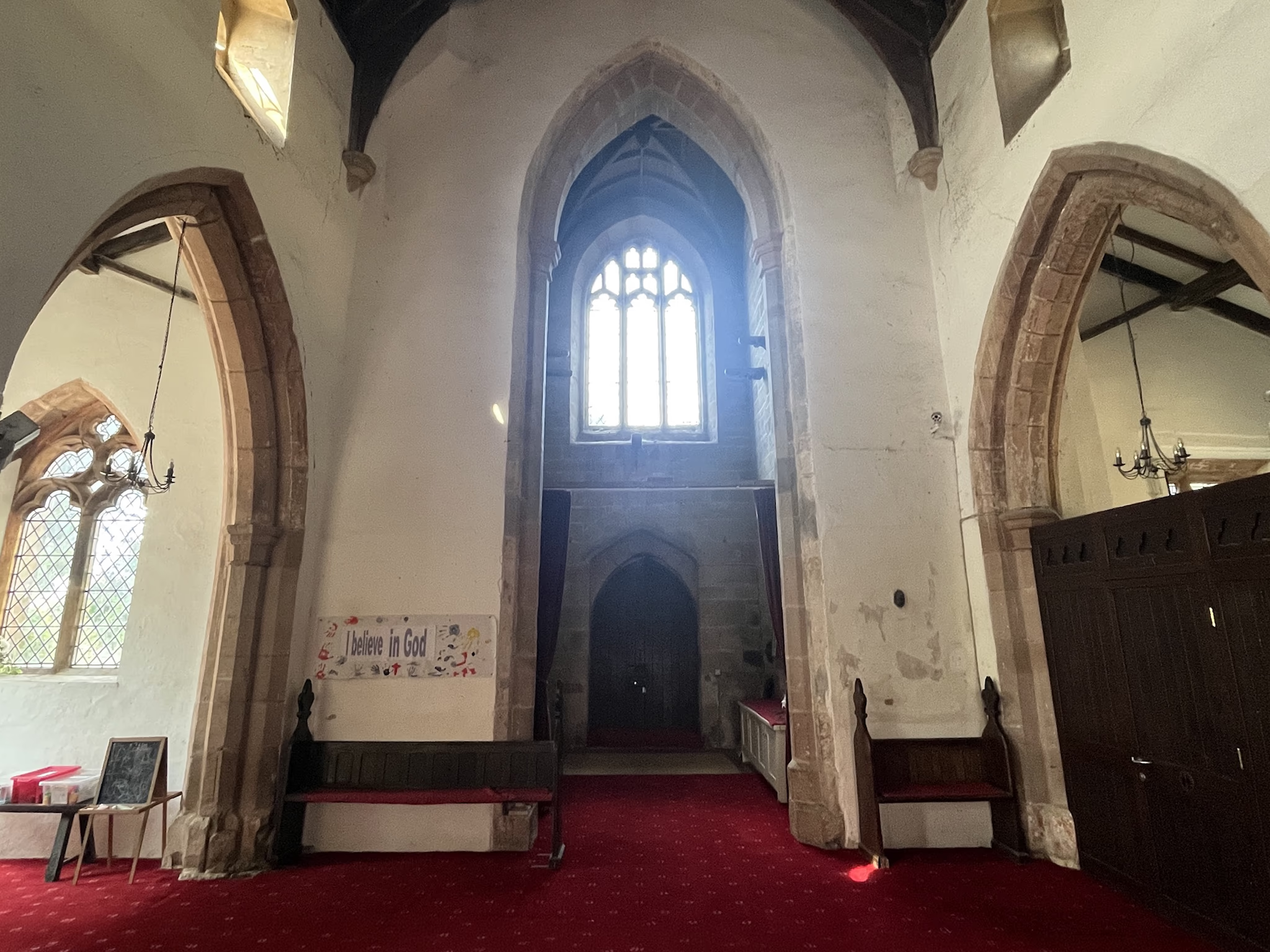
The tower arch was opened up in 1868 when a western gallery was removed during Victorian alterations to the church. Prior to this date, bellringers are thought to have rung the bells from gallery level rather than from the floor of the tower as would normally be expected today.
Several physical clues survive. Large timber guides can still be seen which once controlled the bell ropes, while openings in the tower floor mark the route taken by the weights of the historic church clock. These weights descended through the tower to maximise their travel and had to be wound regularly to keep the clock running.
Above your head
The tower provides access to some of the most remarkable parts of the church.
Above are the bell chamber, housing bells cast between 1639 and 1706, and the clock room containing the historic nineteenth-century church clock. Higher still, the spire rises above the village as it has done for generations.
2012-2015 Restoration
In 2012, the PCC launched a major project to address deterioration to the exterior of the tower and spire. With support from the National Lottery Heritage Fund, other funders and donations from the local community, the project enabled specialist conservation work to be undertaken to safeguard this important part of the church.