The Reredos
A Victorian Reredos
Standing beneath the east window of the chancel is one of St Peter's most striking historic features: the ornate stone reredos erected in 1849 as part of the Victorian transformation of the church.
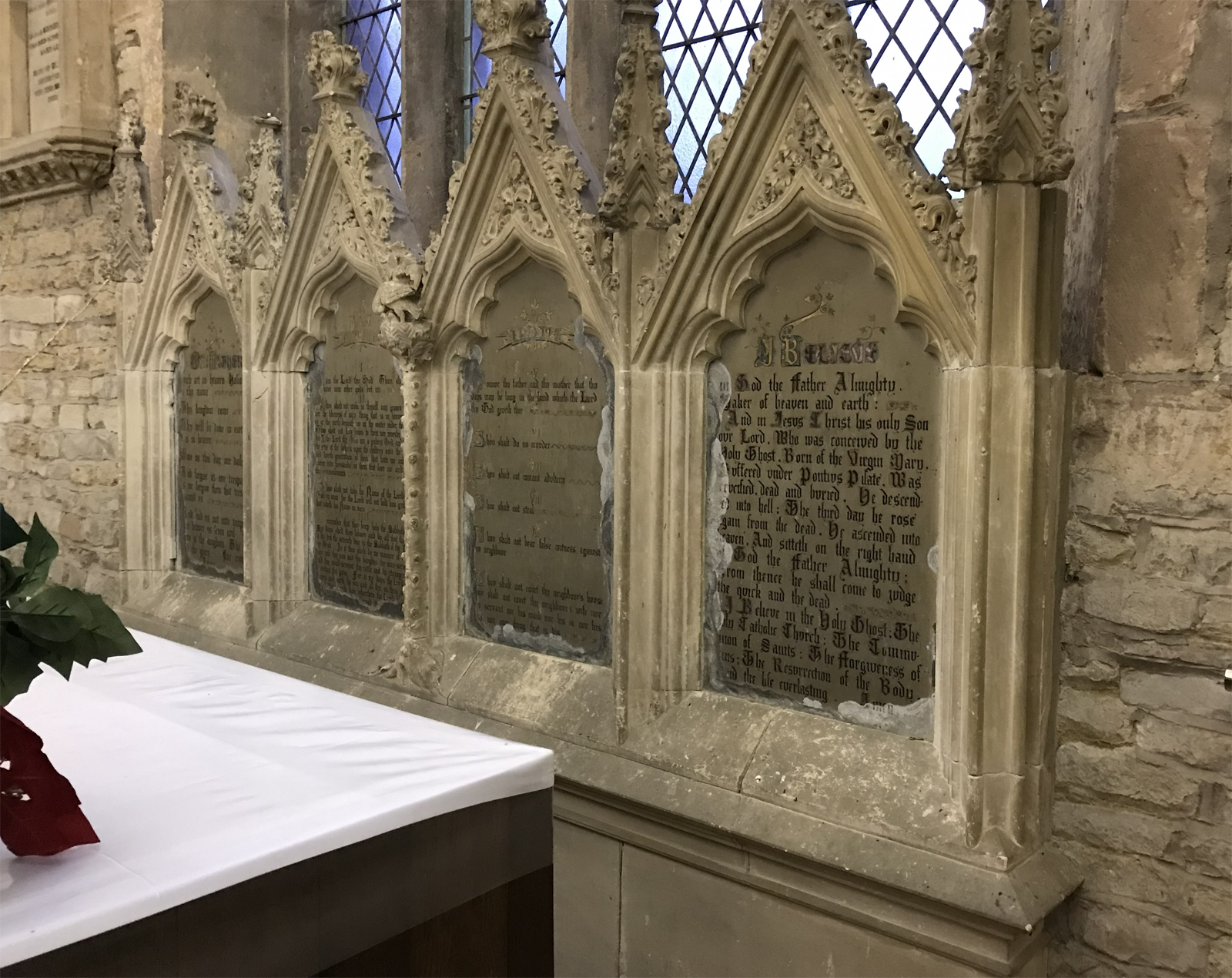
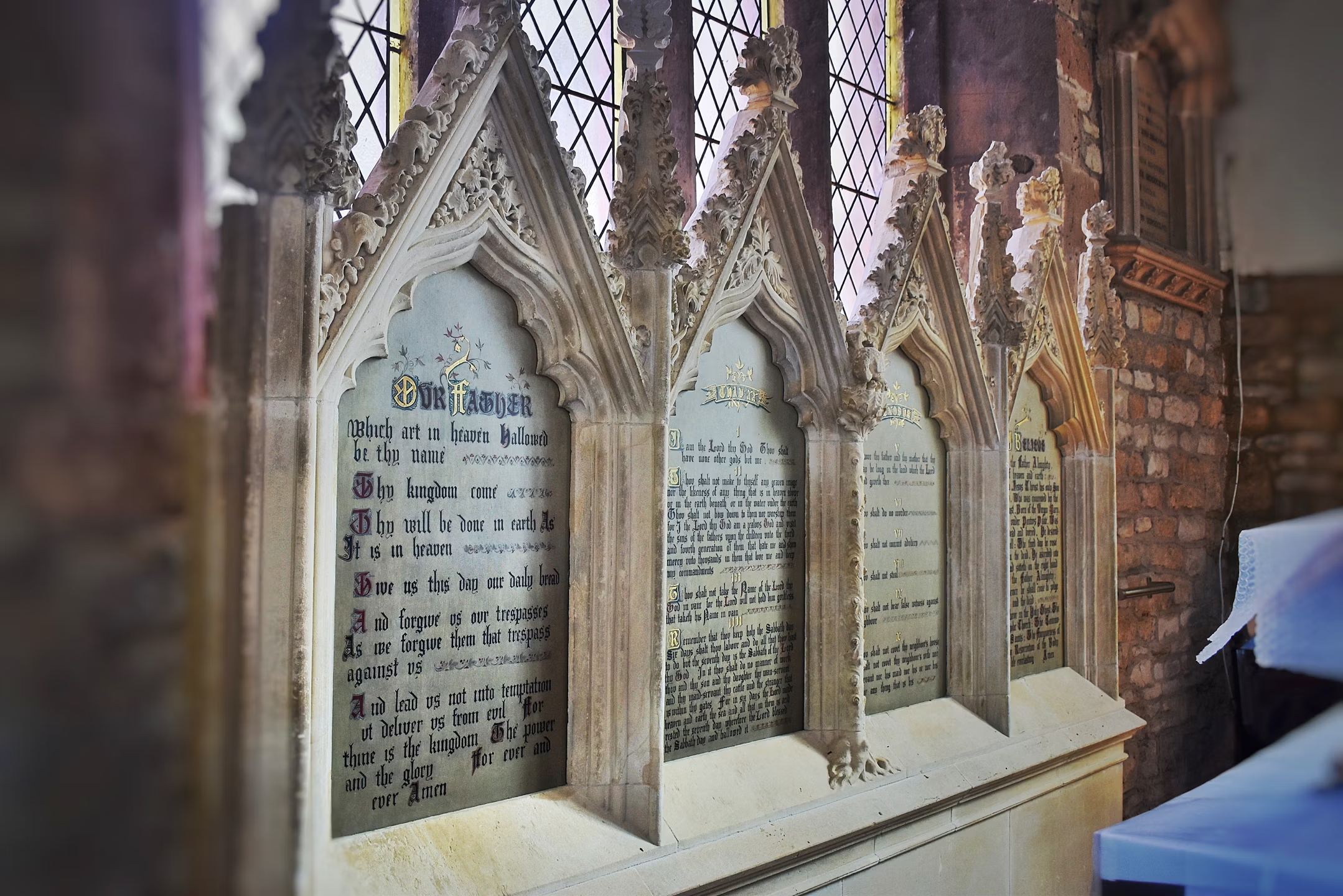
A reredos is a decorative structure placed behind an altar. At Grandborough, it takes the form of an elaborate Gothic arcade carved principally from Caen stone, a fine limestone from Normandy widely prized by Victorian church architects and craftsmen. Almost three metres wide and more than two metres high, it dominates the east end of the chancel.
Its pinnacles, pointed arches, carved foliage and painted panels deliberately evoke the architecture of the Middle Ages. The result is characteristic of the nineteenth-century revival of medieval forms which transformed many English parish churches - including St Peter's.
Faith Carved in Stone
The reredos combines architecture, symbolism and teaching.
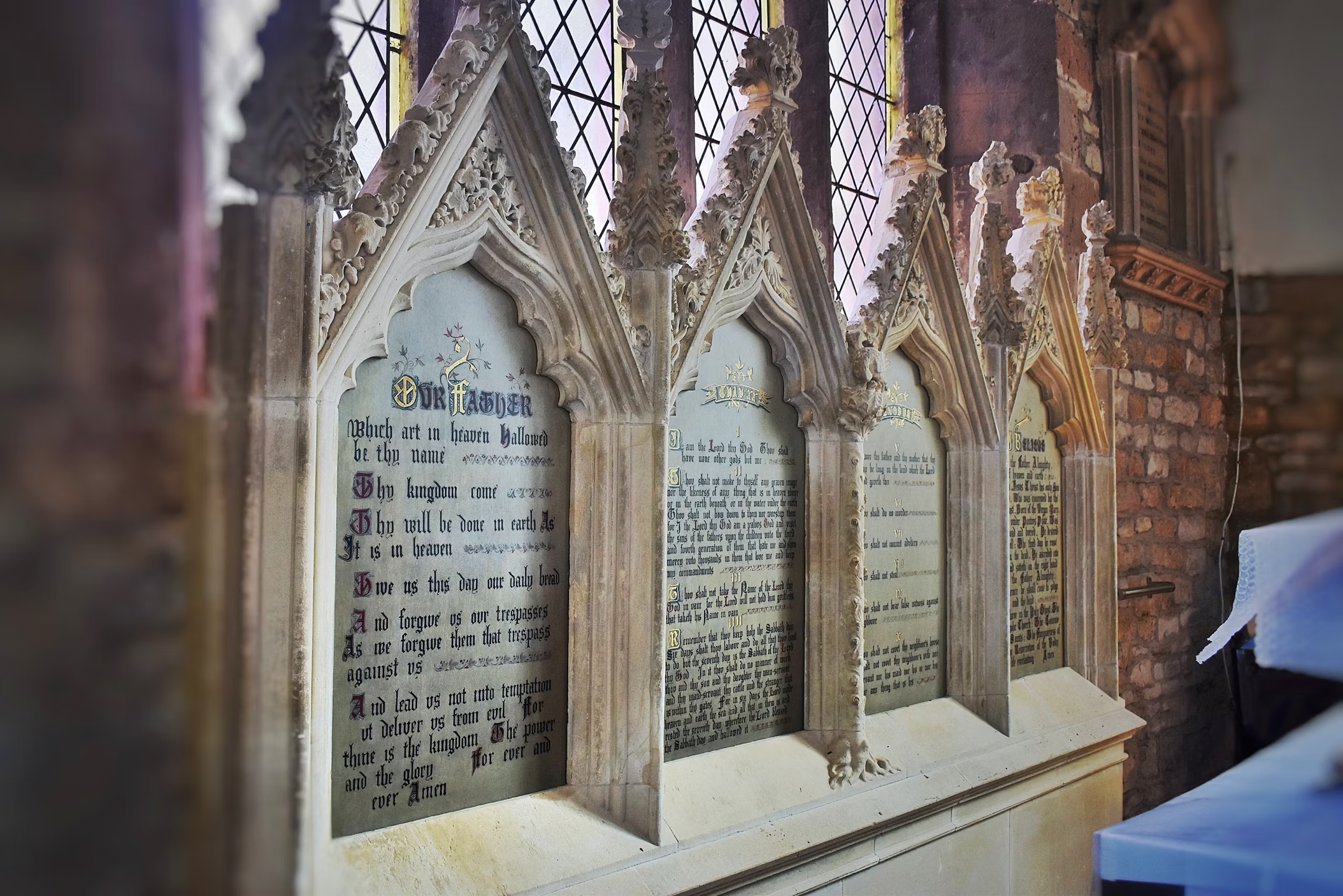
Its four painted panels display the Lord's Prayer, the Ten Commandments and the Apostles' Creed, texts that stood at the heart of Anglican worship and religious instruction in the nineteenth century. Executed in Gothic lettering and enriched with decorative colour and gilding, they were intended to be both beautiful and instructive.
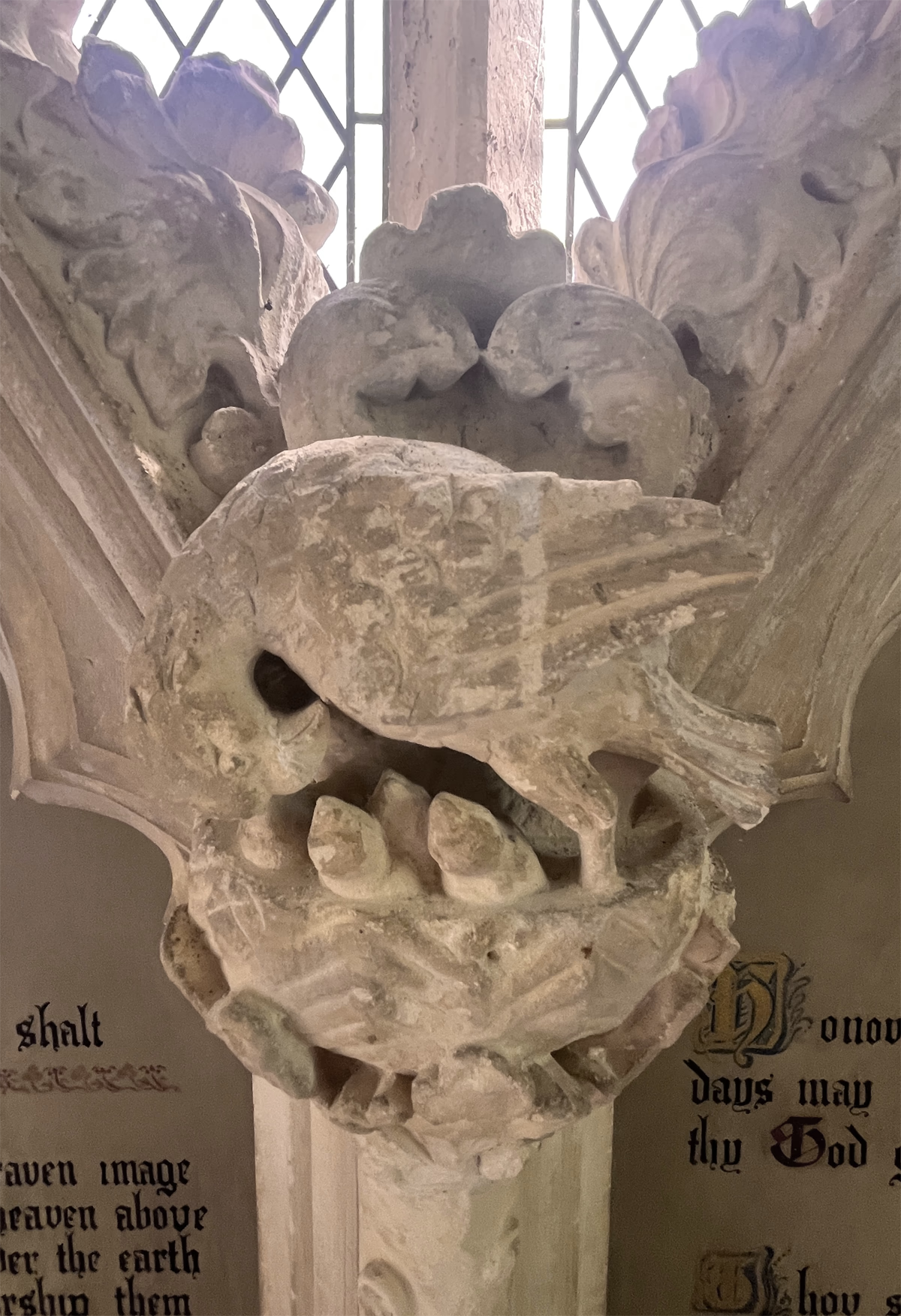
The Pelican in her Piety, an ancient Christian symbol of Christ's sacrifice.
The surrounding stonework is richly decorated with pinnacles, foliage and carved ornament inspired by medieval church architecture.
At the centre is one of the most striking features: a pelican feeding her young from her own breast. Known as The Pelican in Her Piety, this ancient Christian symbol represents Christ's sacrifice for humanity and appears in churches across England from the Middle Ages onwards.
Together these elements transformed the east end of the church into a powerful statement of faith, worship and craftsmanship.
Saving the Reredos
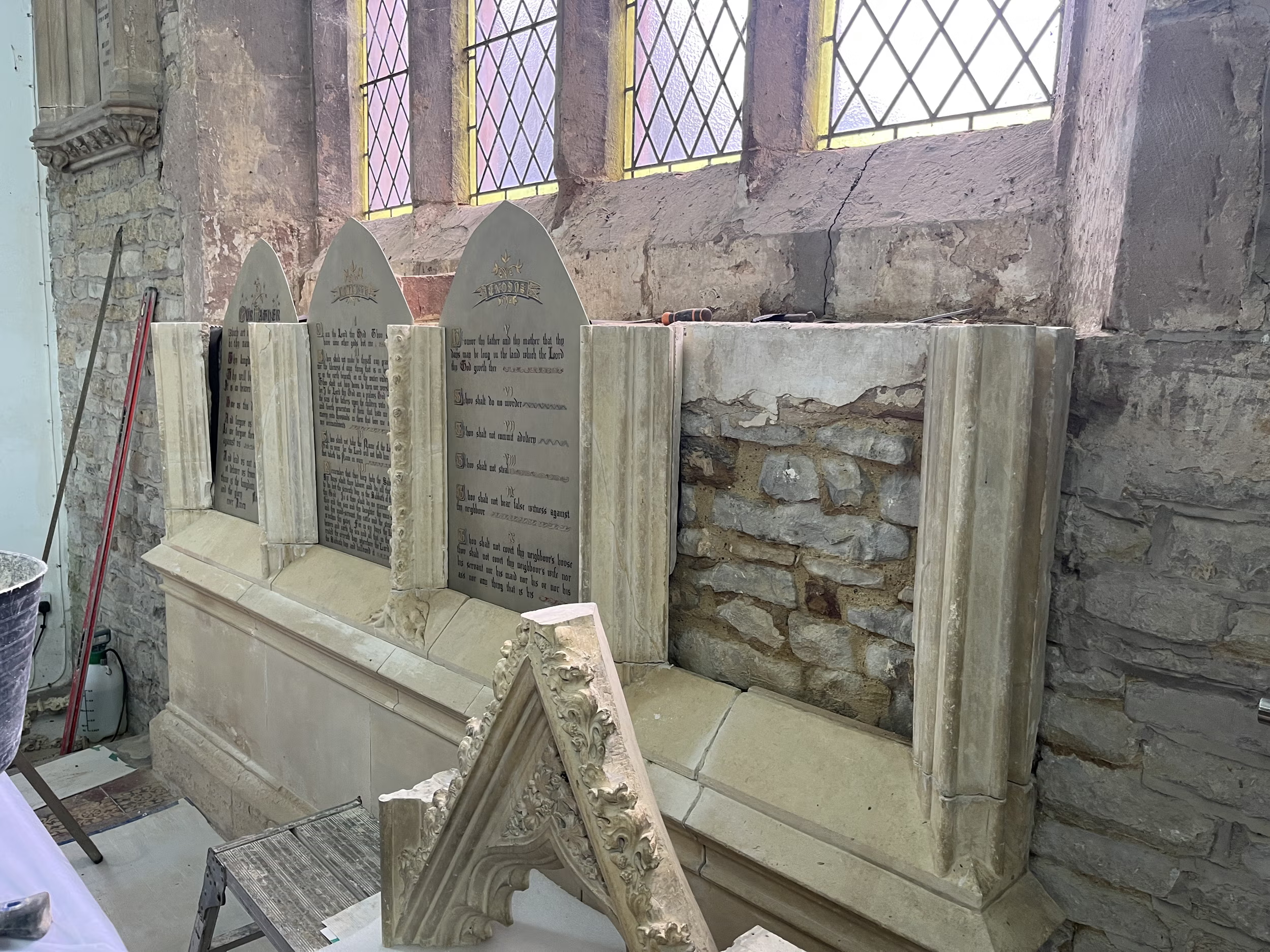
After more than 175 years, the reredos was showing increasingly serious signs of deterioration. Moisture and condensation from the east window had affected the stonework and painted panels, while dust, candle deposits and generations of surface dirt had obscured its appearance.
Following specialist investigation and the development of a conservation programme, St Peter's embarked on a major project to safeguard the reredos in 2025. Specialist conservators were engaged to undertake the work in the church.
Our Grateful Thanks
The conservation of the reredos was made possible through the generosity of grant-making organisations and the remarkable support of the local community.
St Peter's is deeply grateful for grants from:

The National Lottery Heritage Fund

Janet and Bryan Moore Charitable Trust

The Society of Antiquaries of London
The project was also supported by donations from parishioners, villagers and friends of St Peter's, whose generosity helped make this important conservation work possible.
We thank everyone who gave so generously.
A Treasure Preserved
For more than 175 years the reredos has formed the backdrop to worship at St Peter's. Generations of parishioners have prayed before it, celebrated baptisms and weddings beside it, and gathered around the altar beneath its arches.
Today, thanks to careful conservation, this remarkable Victorian work continues to enrich the church and remains one of the finest historic features within St Peter's, linking the faith, craftsmanship and community of the nineteenth century with those of the present day.